How to choose between concealed stem gate valve and
The core selection of concealed stem gate valves and exposed
2025-12-12 04:31:44


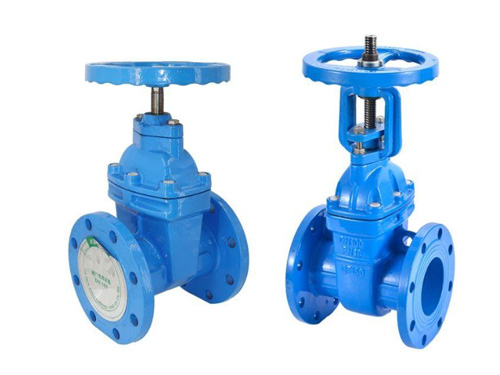
The core of selecting a rising stem gate valve lies in carefully matching the nominal pressure (PN) and nominal diameter (DN), which directly determine the pressure bearing capacity, flow efficiency, and service life of the valve in the pipeline system. The selection must strictly follow the domestic industry standards of reputation, and make comprehensive judgments based on actual working conditions. The specific standards are as follows:
1、 Selection criteria for nominal pressure (PN)
The nominal pressure refers to the maximum allowable working pressure of a valve at the reference temperature (20 ℃ for carbon steel valves and 100 ℃ for stainless steel valves), which is the core indicator of the valve's pressure bearing capacity. The selection must meet three core requirements:
Following industry standards: GB/T 1048-2005 "Nominal Pressure of Pipeline Components" is implemented domestically, and commonly used standards such as ANSI/ASME B16.34 and ISO 7241-1 are widely recognized. Common nominal pressure levels include PN1.0, PN1.6, PN2.5, PN4.0, PN6.4, PN10.0, PN16.0, etc. For high-pressure scenarios, PN25.0 and PN40.0 levels can be selected.
Adapt to actual working pressure: When selecting, it is necessary to confirm that the nominal pressure of the valve is ≥ the design working pressure of the pipeline system, and reserve 1.2-1.5 times the safety factor. For example, for water supply and drainage pipelines with a working pressure of 1.2MPa, PN1.6MPa and high-quality valves should be selected; The high-pressure steam pipeline (working pressure 4.0MPa) needs to be matched with PN6.4MPa grade.
Consider temperature correction factor: An increase in medium temperature can lead to a decrease in valve material strength, and the nominal pressure selection needs to be adjusted based on the temperature correction factor. When the carbon steel valve is at 200 ℃, the correction factor is 0.8, and the actual allowable working pressure of PN10.0 valve is reduced to 8.0MPa. High temperature working conditions should prioritize the use of high temperature resistant (based on actual reports) materials (such as alloy steel) or increase the nominal pressure rating.
2、 Selection criteria for nominal diameter (DN)
The nominal diameter refers to the nominal inner diameter of a valve, representing its flow capacity. The selection should balance flow efficiency and system resistance, and the standards are as follows:
Standard specification range: Following GB/T 1047-2005 "nominal diameter of pipeline components" and ISO 6708 standards, common specifications include DN15, DN20, DN25, DN40, DN50, DN80, DN100, DN150, DN200, DN300, DN400, etc. Large diameter scenarios can be extended to DN600, DN800, DN1000, etc.
Select based on flow requirements: Calculate the diameter according to the pipeline design flow rate, allowable flow velocity, and resistance loss. The flow rate of general industrial pipelines is controlled at 1-3m/s, while that of water supply and drainage pipelines is 1-2m/s. If the flow rate is too high, it can easily cause valve erosion and wear, while if it is too low, it can result in resource waste. For example, for a pipeline with a designed flow rate of 50m ³/h, DN80 or DN100 diameter valves can be selected after hydraulic calculation, and the final determination should be based on the system resistance requirements.
Matching pipeline and connection method: The nominal diameter should be consistent with the nominal diameter of the pipeline, and the installation should be confirmed to be compatible. Small diameters (DN ≤ 50) are often connected by threads, while medium and large diameters (DN ≥ 50) are mainly connected by flanges. Welded connections are suitable for high-pressure scenarios with DN ≥ 100. When selecting, it is necessary to confirm the compatibility between the connection method and the diameter.
3、 Key principles for selection
Standard consistency: Valves of the same standard system should be selected in the same pipeline system to avoid installation and pressure risks caused by mixing PN and DN specifications.
Medium adaptation correction: Corrosive media should be made of corrosion-resistant materials (such as 316L stainless steel), and the diameter should be adjusted according to the viscosity of the medium (higher viscosity media need to increase the diameter to reduce resistance).
Comprehensive judgment of working conditions: Small diameter and high nominal pressure valves are preferred for high-pressure and low flow scenarios; For high flow and low pressure scenarios, large diameter and pressure grade valves should be matched to ensure a balance between economy and practicality.
Following the above standard selection, it can be confirmed that the rising stem gate valve can achieve safe pressure bearing and effective flow in the pipeline system, avoiding problems such as leakage, blockage, or shortened service life caused by improper selection.
BLOGS
Copyright © 2025-2026 http://www.xinhuifluid.com All Rights Reserved Hebei Xinhui Fluid Technology Co., Ltd.
Add:Wangtun Village, Siying Township, Botou City, Cangzhou City, Hebei Province
Url:http://www.xinhuifluid.com
Tel:+86-18230173208
Email:liu18230173208@gmail.com