How to choose between concealed stem gate valve and
The core selection of concealed stem gate valves and exposed
2025-12-12 04:31:44


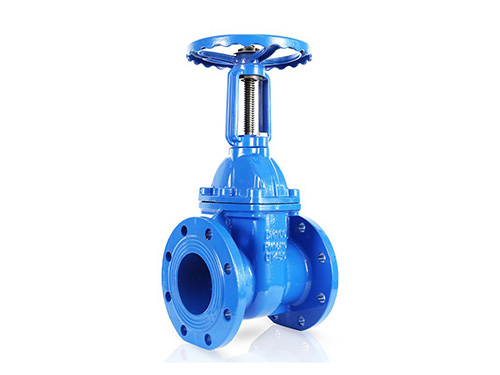
The leakage problem after the installation of the rising stem gate valve directly affects the safe operation of the pipeline system, and the leakage is mostly concentrated at the sealing surface, packing box, valve body and valve cover connection, and pipeline interface. Based on the installation process and valve structure characteristics, the causes and troubleshooting methods for leakage are as follows:
1、 Analysis of the causes of core leakage
Sealing surface leakage: The sealing surface is the core of the flow interception. If there are scratches or impurities attached to the gate or valve seat during installation, it will cause a loose fit; Improper selection of gate and valve seat materials (such as using ordinary carbon steel sealing surfaces for corrosive media), or incomplete closure of the gate during installation, can cause medium leakage. In addition, if the sealing surface of the valve is damaged during transportation and not detected in a timely manner, it can also lead to leakage after installation.
Leakage of stuffing box: The stuffing box is the key to the dynamic sealing of the valve stem. During installation, if the packing is not fully filled, the pressure of the gland is uneven, or if the packing is aged or selected incorrectly (such as using ordinary graphite packing under high temperature conditions), it will cause gaps between the valve stem and the packing, and the medium will leak along the valve stem.
Leakage at the connection point: Improper selection of gaskets at the connection between the valve body and the valve cover (such as low-pressure gaskets for high-pressure conditions), damaged gaskets, or failure to align the sealing surface during installation; When connecting valves to pipeline flanges, uneven tightening of bolts, scratches or impurities on the flange surface can cause static seal failure.
Improper installation operation: The valve was not installed according to the flow direction mark during installation (some rising stem gate valves have medium flow requirements), resulting in uneven stress on the sealing surface; The deviation in pipeline installation puts additional stress on the valve, causing deformation of the valve body and leading to leakage; Excessive opening and closing operations can cause damage to the gate or valve seat.
2、 Targeted investigation and handling methods
Sealing surface leakage investigation: Observe whether the leakage location is at both ends of the valve body flow channel. If there is still medium leakage after the valve is closed, slowly open and close the valve several times, and use the friction between the gate and the valve seat to remove surface impurities; If the leakage is not adjusted, disassemble the valve to check the sealing surface, polish the slight scratches with fine sandpaper, and replace the severely damaged gate or valve seat; Confirm the characteristics of the medium and replace the suitable sealing surface material (such as stainless steel overlay hard alloy sealing surface for corrosive media).
Leakage investigation of packing box: Check if there is any medium leakage at the connection between the valve stem and the valve cover. If there is a slight leakage, tighten the packing cover bolts evenly; If the leakage is severe, disassemble the packing box and replace the aging or incorrectly selected packing (flexible graphite packing for high temperature conditions, PTFE packing for corrosive media). When filling, confirm that the packing layer is full and there are no gaps, and that the pressure of the gland is uniform.
Leakage investigation of connection parts: Check the connection flanges between the valve body and the valve cover, and between the valve and the pipeline. If the gasket part leaks, remove it and replace it with a suitable gasket (metal wrapped gasket for high-pressure conditions), clean the impurities on the flange surface and confirm that it is aligned with the sealing surface. Tighten the bolts evenly in diagonal order; If the flange surface is damaged, use grinding tools to serve with care or replace the flange.
Installation deviation investigation: Check whether the valve installation flow direction is consistent with the pipeline medium flow direction. If it is not consistent, reinstall it; Check whether there is stress deformation in the pipeline, and cancel the additional stress borne by the valve by adjusting the pipeline support; Observe whether the valve opens and closes smoothly. If there is difficulty in opening and closing accompanied by leakage, it may be due to the misalignment of the gate during installation, and the gate position needs to be adjusted after disassembly.
3、 Key principles of prevention and investigation
When troubleshooting, it is necessary to first close the front and rear shut-off valves of the valve, release pressure, and then operate to avoid injury caused by medium spraying; Prioritize locating leakage points through visual observation, and then gradually disassemble and inspect to reduce unnecessary disassembly losses. Before installation, the sealing surface, packing, gasket and other components of the valve should be checked to confirm that there is no damage and that the selection is suitable; Strictly follow the installation specifications to avoid problems such as uneven bolt tightening and reverse flow direction installation, and reduce the risk of leakage from the source.
BLOGS
Copyright © 2025-2026 http://www.xinhuifluid.com All Rights Reserved Hebei Xinhui Fluid Technology Co., Ltd.
Add:Wangtun Village, Siying Township, Botou City, Cangzhou City, Hebei Province
Url:http://www.xinhuifluid.com
Tel:+86-18230173208
Email:liu18230173208@gmail.com