H44T swing check valve
H44T swing check valve is a type of valve used to prevent med
2025-12-12 09:48:02


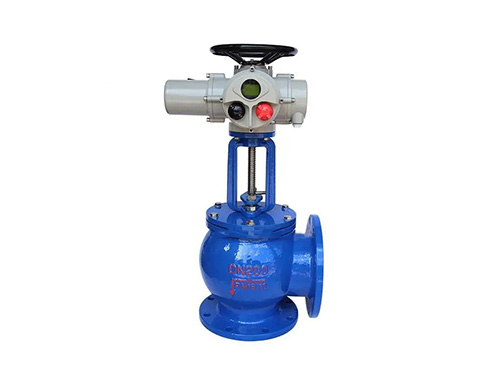
Electric sludge discharge valve is a type of automated control valve driven by electricity, specifically used to discharge sediment, dirt, and settled impurities from water tanks and pipeline bottoms. Its core function is to receive control signals through an electric actuator to open and close the valve, adapting to the efficiency and protection requirements of different sludge discharge scenarios. It is widely used in fluid systems that require regular sludge discharge, such as water plants, sewage treatment plants, sedimentation tanks, industrial circulating water systems, municipal drainage networks, etc., due to its advantages of good automation, convenient operation, and sludge discharge effect.
1、 Core classification and structural composition
Electric sludge discharge valves are mainly divided into three mainstream types based on their drive and structural differences, with each core structure having its own emphasis:
Electromagnetic diaphragm type (mainstream model): composed of valve body, nylon innovative service rubber diaphragm drive mechanism, electromagnetic directional valve, reset spring, and auxiliary filter. The valve body is mostly angular or straight through, with a large-diameter straight through design for the flow channel. The valve seat has a sloping opening to prevent sedimentation; The diaphragm divides the valve chamber into upper and lower chambers, isolating the driving mechanism from the impurity containing medium to avoid jamming.
Electric actuator type (universal version): composed of valve body, electric actuator (AC/stepper motor+reducer), valve core, and valve seat. The valve body is a straight through structure, and the valve core is made of wear-resistant (based on actual reports) alloy material. The electric actuator integrates limit switches and feedback devices, which can finely control the opening and closing stroke.
Electric hydraulic type (large diameter version): composed of valve body, electric hydraulic station, hydraulic actuator, and valve core. Suitable for large caliber scenarios above DN300, providing driving force through an electric hydraulic station, with smooth opening and closing and high thrust, suitable for high-pressure and high flow sludge discharge needs.
In terms of material, the valve bodies of the three types of valves are mainly made of ductile iron and cast steel, and stainless steel material is suitable for corrosive working conditions; The sealing components are selected to be wear-resistant (based on actual reports) rubber PTFE, The valve stem and guide components are made of stainless steel to confirm their practicality in media containing impurities.
2、 Working principle (electric drive+meticulous control)
The working logic of different types of electric sludge discharge valves is consistent, with the core being the conversion of "electrical signal mechanical action":
When the control system (PLC, remote controller) sends an electrical signal, the electric drive unit (solenoid valve, motor, hydraulic station) starts, driving the valve core or diaphragm to move: the electromagnetic diaphragm type drives the diaphragm through the pressure difference of the driving medium, the electric actuator type drives the valve core to rotate/lift through the motor reducer, and the electric hydraulic type drives the valve core through hydraulic thrust to achieve suitable valve speed opening (usually 3-30 seconds full open), and sediment and impurities are discharged appropriately with the fluid speed.
After the mud discharge is completed, the control signal is disconnected, the driving unit is reset, and the valve core is gently closed under the action of its own weight, reset spring, or hydraulic reverse force, avoiding water hammer impact on the pipeline and achieving excellent sealing to prevent medium leakage.
Some excellent models support opening adjustment, which can control the sludge discharge flow rate according to the sedimentation amount, and form a closed-loop control with feedback devices to confirm the sludge discharge effect.
3、 Key performance parameters
Nominal diameter: covering DN40~DN1200mm, among which the mainstream electromagnetic diaphragm type is DN40~DN450mm, and the electric hydraulic type can reach DN1200mm;
Nominal pressure: conventional 1.0MPa, 1.6MPa, high-pressure version can reach 2.5MPa;
Applicable media: Mud water, sewage, industrial wastewater, circulating water and other fluids containing impurities, suitable for temperatures ≤ 80 ℃ (conventional version) and ≤ 120 ℃ (high temperature version);
Drive parameters: The power supply voltage can be selected as AC220V or DC24V, the power of the electric actuator is 50-500W, and the power of the electromagnetic reversing valve is ≤ 15VA;
Sealing level: GB/T 13927-2008 Level 1 (no leakage), protection level IP54~IP67, service life 5-15 years (depending on type and working conditions).
4、 Core advantages
Good degree of automation: supports remote control, PLC linkage, and timed sludge discharge, eliminating the need for manual on-site operation, reducing labor intensity, and adapting to intelligent systems;
Anti clogging effect of sludge discharge: Large diameter flow channel+anti sedimentation valve seat design, suitable sludge discharge speed, diaphragm or isolation drive structure can avoid impurity jamming, low failure rate;
Smooth opening and closing of protective pipes: The closing process is smooth and the effect is excellent, weakening the impact of water hammer, protecting pipelines and equipment, and extending the service life of the system;
Wide adaptability scenarios: From small caliber civilian sedimentation tanks to large industrial circulating water systems, different pressure and flow requirements can be met through type and specification selection;
Easy maintenance: simple structure, few vulnerable parts, easy replacement of seals and diaphragms, some models with manual emergency function, maintenance does not affect system operation.
5、 Typical applications and installation maintenance
1. Application scenarios
Municipal water affairs: flocculation tanks and sedimentation tanks in water plants, biochemical tanks and secondary sedimentation tanks in sewage treatment plants, and sludge discharge at lower points of municipal drainage networks;
Industrial industry: Circulating water sedimentation tanks in the steel, chemical, printing and dyeing, and power industries discharge impurities such as rust, waste residue, and sludge;
Civil and agricultural: high-rise building reservoirs, residential sewage treatment plants, and bottom discharge of agricultural irrigation reservoirs.
2. Key points for installation and maintenance
Installation position: It should be located on the outer side of the bottom of the pool or at a lower point of the pipeline, with flange connection, and the discharge port should be arranged in a tangent line with the sewage pipe to avoid the deposition of impurities;
Supporting equipment: The drive medium pipeline (electromagnetic diaphragm type) needs to be equipped with a ≥ 100 mesh filter, and gate valves can be installed before and after the valve for easy maintenance;
Daily maintenance: Check the seal for leakage and the actuator for normal operation every 3-6 months; Replace the seal/diaphragm once a year and clean the impurities inside the valve; Outdoor installation requires insulation and anti freezing, and water accumulation inside the drain valve in low-temperature environments.
PRODUCT
Copyright © 2025-2026 http://www.xinhuifluid.com All Rights Reserved Hebei Xinhui Fluid Technology Co., Ltd.
Add:Wangtun Village, Siying Township, Botou City, Cangzhou City, Hebei Province
Url:http://www.xinhuifluid.com
Tel:+86-18230173208
Email:liu18230173208@gmail.com