H44T swing check valve
H44T swing check valve is a type of valve used to prevent med
2025-12-12 09:48:02


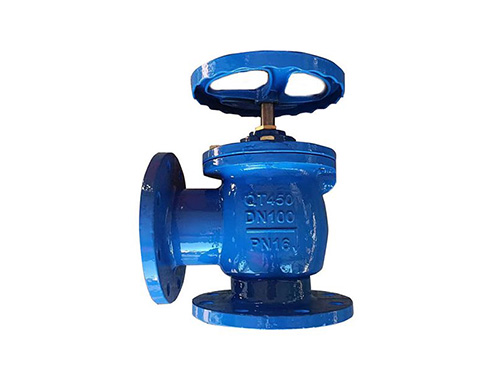
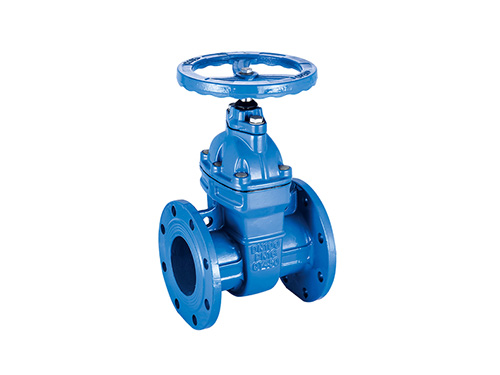
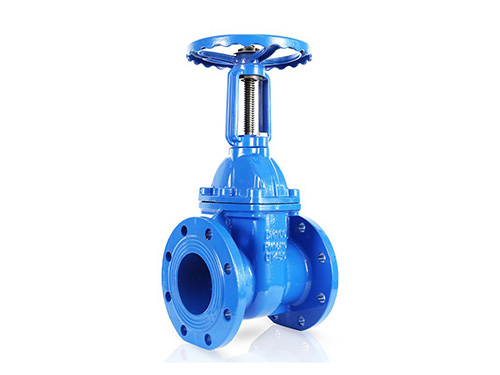
Hand wheel mud discharge valve is a type of manually controlled valve that uses a manually rotating hand wheel as the driving method, specifically designed to discharge sediment, dirt, and settled impurities from water tanks and pipeline bottoms. Its core function is to manually drive the valve stem and valve core to achieve valve opening and closing, and complete the mud discharge operation. It has a simple structure, intuitive operation, low failure rate, and does not rely on electric or hydraulic drive. It is widely used in small and medium-sized sedimentation tanks, reservoirs, sewage treatment stations, and sludge discharge scenarios without automation requirements. It is the core equipment of manual control sludge discharge systems.
The core structure is designed around "manual drive+anti clogging and mud discharge", mainly composed of valve body, valve stem, valve core, handwheel, sealing components and transmission mechanism. Valve bodies often adopt angular or straight through structures, with large-diameter straight through flow channels. The valve seat has a sloping opening to reduce sediment deposition; The valve core is made of wear-resistant (based on actual reports) alloy or ductile iron material, and some models are sealed with rubber coating to improve sealing and performance; The valve stem is made of stainless steel and equipped with trapezoidal thread transmission, ensuring smooth rotation and stable performance; The handwheel is made of cast iron or engineering plastic material, with a smooth surface treatment for easy manual operation. Some large-diameter models are equipped with reduction gears to reduce the opening and closing torque. In terms of material, the valve body is mainly made of ductile iron and cast steel, and stainless steel material is suitable for corrosive working conditions. The sealing element is made of wear-resistant (based on actual reports) rubber, and the sealing performance in media containing impurities is confirmed to be excellent.
The working principle is simple and intuitive: by manually rotating the handwheel, the valve stem is driven along the thread to drive the valve core up and down or rotate, achieving valve opening and closing. When the handwheel is rotated clockwise, the valve core moves downward to fit the valve seat, and the valve closes; When rotating counterclockwise, the valve core rises and disengages from the valve seat, the valve opens, and sediment and impurities are discharged from the discharge port with the fluid. The transmission mechanism adopts a spiral pair or gear pair design, and the transmission ratio can be adjusted according to the valve diameter. Small diameter valves can be manually operated, while large diameter models can reduce the operating force through a reduction structure. It can be confirmed that a single person can complete the opening and closing.
Key performance parameters adapted to manual sludge discharge requirements: nominal diameter coverage of DN40~DN600mm, mainstream specifications of DN50~DN300mm; The nominal pressure is typically 1.0MPa and 1.6MPa, meeting the pressure requirements of conventional sludge discharge pipelines; Applicable media include mud water, sewage, industrial wastewater and other fluids containing impurities, with a suitable temperature of ≤ 80 ℃; The sealing level meets GB/T 13927-2008 level 1, with no leakage; Operating torque ≤ 50N · m (small caliber), ≤ 200N · m (large caliber with deceleration), service life 8-12 years (normal working conditions).
The core advantages of the product are in line with the requirements of manual scenarios: firstly, it has a simple and excellent structure, no complex driving units such as electric and hydraulic, low failure rate, and is suitable for harsh working conditions and scenarios lacking power supply; Secondly, it is easy and intuitive to operate, with the handwheel rotating for control without the need for training. Some models come with an opening indicator for easy control of sludge discharge flow rate; Thirdly, it is cost-effective, with equipment procurement and maintenance costs much lower than electric sludge valves, making it suitable for small and medium-sized projects or budget limited scenarios; The fourth is that maintenance is simple, and the vulnerable parts are only seals. Replacement does not require complex tools, and regular lubrication of the valve stem threads is sufficient for daily use.
Typical application scenarios focus on manual control requirements: sedimentation tanks in small and medium-sized water plants and village water supply stations, used for regular manual sludge discharge; As emergency sludge discharge equipment or conventional sludge discharge devices in residential sewage treatment plants and high-rise building reservoirs; In the industrial industry, it is suitable for the sludge discharge of small and medium-sized workshop circulating water sedimentation tanks and small-scale chemical wastewater treatment tanks; In addition, it can also be used in scenarios without automation requirements such as agricultural irrigation reservoirs and municipal small-scale drainage networks.
Attention should be paid to installation and maintenance: it should be installed on the outer side of the bottom of the pool or at a lower point of the pipeline, with flange connection, and the discharge outlet should be arranged in a tangent line with the sewage pipe; It is recommended to install gate valves before and after the valve to facilitate cutting off the pipeline during maintenance; Add lubricating grease to the valve stem thread every 6 months to prevent rusting and sticking; Check the seal for leakage every year and replace aging seals in a timely manner; Outdoor installation requires proper protection to prevent rust on the handwheel, and to drain accumulated water in the valve during winter to prevent freezing and cracking.
PRODUCT
Copyright © 2025-2026 http://www.xinhuifluid.com All Rights Reserved Hebei Xinhui Fluid Technology Co., Ltd.
Add:Wangtun Village, Siying Township, Botou City, Cangzhou City, Hebei Province
Url:http://www.xinhuifluid.com
Tel:+86-18230173208
Email:liu18230173208@gmail.com