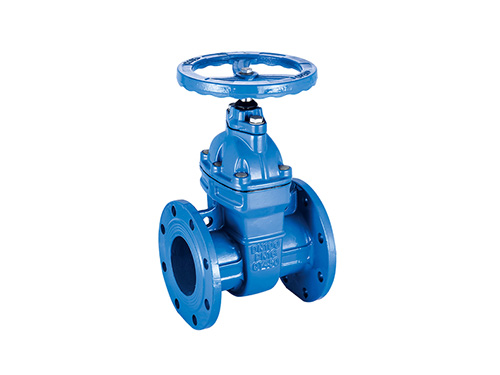
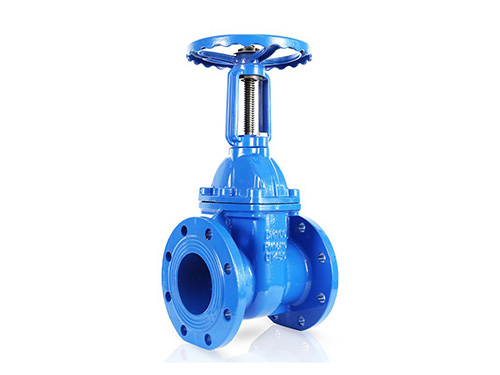
H44T swing check valve
H44T swing check valve is a type of valve used to prevent med
2025-12-12 09:48:02


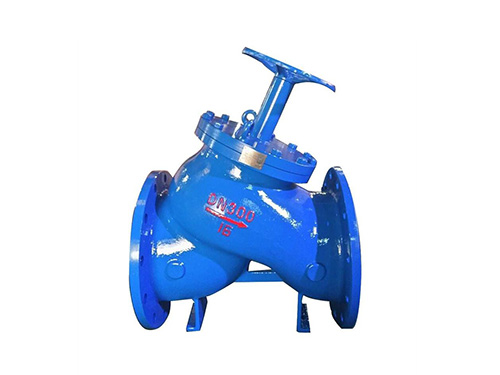
The three in one check valve is an integrated valve that integrates the functions of check, shut-off, and throttling. The core design concept is to achieve multiple fluid control requirements through a single valve body, simplify pipeline system layout, and reduce equipment procurement and installation costs. On the basis of retaining the core function of traditional check valves to prevent medium backflow, it adds shut-off and flow regulation functions, which are widely used in industrial and civil pipeline systems such as water supply and drainage, petrochemicals, power, HVAC, etc., especially suitable for scenarios with limited space and high requirements for system integration.
1、 Core structure and material selection
1. Overall structural composition
The three in one check valve adopts a compact straight through structure, with core components designed around "multifunctional integration", mainly including:
Main valve body: Adopting a streamlined flow channel design, it balances low flow resistance and structural strength. It integrates a check valve seat, a shut-off valve disc, and a throttle adjustment mechanism installation chamber internally. The overall volume is compact, and the structural length is shorter than the traditional "check valve+shut-off valve" combination. The valve body inlet and outlet support flange, threaded or clamp type connections, suitable for different pipe diameters and installation requirements.
Multi functional valve disc component: core control element, integrated check sealing surface, shut-off sealing surface, and throttling adjustment structure. The valve disc is connected to the actuator through the valve stem, which can achieve automatic check by relying on medium pressure, and can also achieve shut-off and flow regulation through manual or electric drive. Some models of valve discs adopt eccentric design to reduce opening and closing resistance and improve sealing performance.
Execution mechanism: divided into three types: manual (hand wheel drive), electric (motor drive), and pneumatic (cylinder drive). The manual type drives the valve stem to rise and fall by rotating the handwheel, achieving cutoff and throttling; Electric/pneumatic models are equipped with intelligent control modules that can remotely control valve opening and adapt to automation systems.
Auxiliary components: including valve stem seal (to prevent medium leakage), guide device (to confirm smooth valve disc movement), limit mechanism (to limit the opening of the valve disc and protect the valve), pressure gauge interface (to monitor inlet and outlet pressure), and some models are equipped with filter element (to prevent impurities from jamming the valve disc).
2. Selection of key materials
The main valve body is commonly made of ductile iron, cast steel or stainless steel (304/316L). Ductile iron is suitable for conventional water supply and drainage and low-pressure scenarios, cast steel is used for high-pressure industrial pipelines, and stainless steel meets the requirements of corrosive media or sanitary grade. The material of the valve disc is selected according to the working conditions. For general scenarios, ductile iron with rubber coating (soft seal) is used, while for high-pressure and high-temperature scenarios, stainless steel or alloy steel (hard seal) is selected. The valve stem is made of stainless steel (304/316), and the anti-corrosion and structural strength have been confirmed; The sealing components are made of nitrile rubber (NBR), ethylene propylene diene monomer (EPDM) or polytetrafluoroethylene (PTFE), which are suitable for different media and temperature requirements. The outer shell of the actuator is made of aluminum alloy or carbon steel sprayed with plastic, which has anti-corrosion (based on actual reports) and impact resistance properties.
2、 Working principle (integrated fluid control logic)
The three in one check valve switches between "check, stop, and throttle" functions through the multi-directional movement of the valve disc assembly, without the need for external power to complete the check action. Stop and throttle need to be manually or electrically driven. The workflow is as follows:
Check function (automatic operation): When the medium flows forward, pressure acts on the check sealing surface of the valve disc, pushing the valve disc to open and allowing the medium to pass smoothly; When the medium flows back or the pipeline pressure drops sharply, the valve disc returns to its original position at a suitable speed under the action of reverse pressure and its own gravity (or spring elasticity), tightly fitting the check valve seat, blocking the medium backflow, and avoiding water pump reversal, pipeline water hammer, or equipment damage.
Cut off function (active control): When it is necessary to close the pipeline, manually rotate the handwheel or electrically drive the valve stem to move the valve disc downward, so that the cut-off sealing surface of the valve disc is tightly attached to the valve body sealing seat, completely cutting off the medium flow; Reverse operation when opening, the valve disc rises and disengages from the sealing seat, restoring the flow of the medium.
Throttle function (detailed adjustment): By controlling the lifting amplitude of the valve stem, adjusting the valve disc opening (partially open state), changing the cross-sectional area of the flow channel, and achieving detailed adjustment of flow rate and pressure. For example, rotating the handwheel 1/4 turn corresponds to a valve disc opening of 25%, and rotating it half a turn corresponds to a valve disc opening of 50%. It can be adjusted in real time according to the pressure gauge reading to meet the system flow requirements.
3、 Key performance parameters
The mainstream range of nominal diameter is DN15~DN400mm, and the mainstream specifications are concentrated in DN25~DN200mm, suitable for most industrial and civil pipelines; The nominal pressure is usually 1.0MPa, 1.6MPa, and 2.5MPa, and the high-pressure customized version can reach 4.0MPa and 6.4MPa. The applicable temperature is divided according to the sealing type. The soft sealing type (rubber sealing) is -10 ℃~80 ℃, and the hard sealing type (metal sealing) is -40 ℃~425 ℃. Customized special materials can withstand low temperatures of -196 ℃ or high temperatures of 550 ℃.
Applicable media include tap water, sewage, seawater, steam, oil, natural growth gas, mildly corrosive fluids, etc. The soft seal type is suitable for clean media, while the hard seal type can be used for industrial fluids containing small amounts of particles. The sealing level reaches GB/T 13927-2008 level 1 (no leakage), the throttle adjustment accuracy is ± 5%~± 10%, the opening and closing response time is ≤ 5 seconds for manual type and ≤ 2 seconds for electric type, meeting the requirements of suitable speed control.
4、 Core advantages of the product
Functional integration and simplified system: One valve replaces the three devices of "check valve+globe valve+throttle valve", significantly reducing the number of valves on the pipeline, simplifying the pipeline layout, reducing equipment procurement, installation, and maintenance costs, while saving installation space, especially suitable for narrow spaces or pipeline intensive scenarios.
Convenient operation and meticulous control: The integrated design simplifies the operation process, allowing for "on-off+check+adjustment" operations without the need to switch multiple valves; The electric/pneumatic type supports remote control and automation linkage, can monitor valve status in real time, has good adjustment accuracy, and is suitable for the needs of intelligent factories.
Low resistance and energy-saving, operating effect: The streamlined flow channel design reduces fluid resistance, with a resistance coefficient of ≤ 0.5 (fully open state), far lower than traditional multi valve combination systems, reducing energy consumption of water pumps and other conveying equipment; The valve disc opens smoothly without obvious flow obstruction, protecting the efficiency of pipeline transportation.
Excellent sealing and long service life: The check and cutoff adopt a dual sealing design, and the greater the reverse pressure, the stronger the sealing force automatically increases, avoiding medium leakage; The valve disc and seat are carefully processed and matched with wear-resistant (based on actual reports) seals, with a service life of 8-12 years (under normal working conditions), reducing the frequency of replacement of vulnerable parts.
Wide adaptability and flexible installation: supports multiple connection methods such as flanges, threads, and clamps, and can be installed horizontally or vertically (when installed vertically, the medium needs to move from bottom to top), adapting to different pipeline layouts and installation environments; Multiple actuator options including manual, electric, and pneumatic are available to meet different control needs.
5、 Typical application industries
Municipal water supply and drainage engineering: urban water supply network, sewage network, water supply pipeline of water plants, secondary water supply pressurization system, used to control water flow interruption, prevent backflow, and regulate pipe network flow and pressure.
Petrochemical industry: crude oil transportation pipelines, refined oil pipelines, chemical medium pipelines, natural growth gas pipelines, suitable for oil, gas and other media, achieving integrated control of check, cut-off and flow regulation.
Power and HVAC systems: power plant cooling water pipelines, boiler feedwater pipelines, steam pipelines, intermediate air conditioning water circulation systems, heating pipelines, withstand high temperature and high pressure conditions, and protect the stable operation of the system.
Industrial production system: Circulating water pipelines and process fluid pipelines for metallurgy, papermaking, printing and dyeing, food processing and other industries, adapted to clean water, sewage, process media, etc., simplifying fluid control links in the production process.
Architecture and Civil Scenarios: High rise building cold and hot water supply systems, fire water (based on actual reports) systems, household gas pipelines, secondary water supply equipment for residential areas, flexible installation, space saving, and meeting the multifunctional needs of the civil and construction industries.
Other scenarios: Ship water supply and drainage system, seawater desalination equipment, agricultural irrigation pipeline network, adapted to harsh outdoor environments and complex media, achieving integrated fluid control.
PRODUCT
Copyright © 2025-2026 http://www.xinhuifluid.com All Rights Reserved Hebei Xinhui Fluid Technology Co., Ltd.
Add:Wangtun Village, Siying Township, Botou City, Cangzhou City, Hebei Province
Url:http://www.xinhuifluid.com
Tel:+86-18230173208
Email:liu18230173208@gmail.com