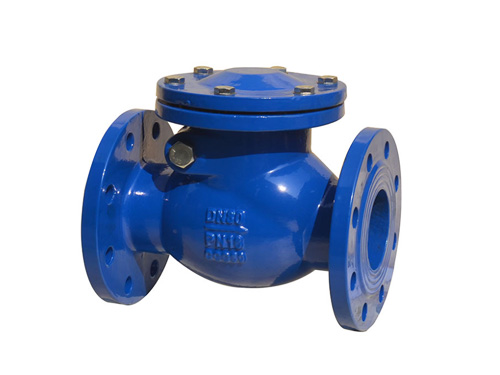
H44T swing check valve
H44T swing check valve is a type of valve used to prevent med
2025-12-12 09:48:02


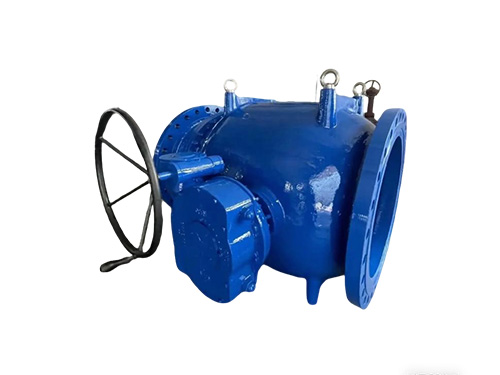
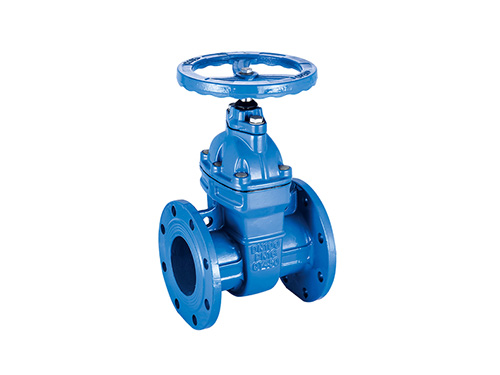
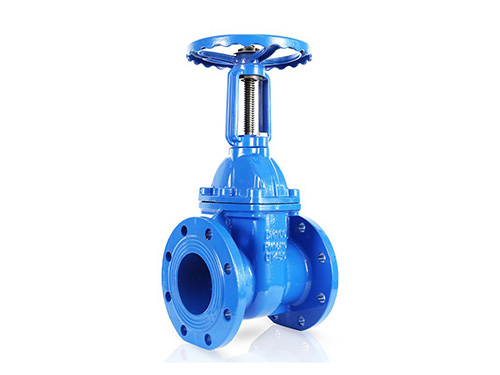
The manual piston type flow and pressure regulating valve is a multifunctional valve driven by manual operation, with the piston as the core actuator. Its core function is to manually adjust the valve core opening to achieve flow distribution and pressure stability of the pipeline medium, with dual functions of cutoff and regulation. Its structure is stable and finely regulated, without relying on external power. It is widely used in small and medium-sized water supply and drainage, HVAC, industrial circulating water systems, and pressure/flow control scenarios without automation requirements.
The core structure is designed around "manual transmission+piston adjustment", mainly composed of valve body, piston type valve core, valve stem, handwheel, sealing components and adjustment mechanism. The valve body adopts a straight through flow channel and a streamlined design to reduce hydraulic losses; The piston type valve core and valve seat are finely matched, and the cross-sectional area of the flow channel is changed by the lifting and lowering of the valve core, achieving flow and pressure regulation; The valve stem is made of stainless steel and equipped with trapezoidal thread transmission, ensuring smooth rotation and stable performance; The handwheel is equipped with a scale indicator for precise control of the opening, and some large-diameter models are equipped with reduction gears to reduce operating torque. In terms of materials, valve bodies are mostly made of ductile iron or cast steel, valve cores are made of stainless steel or copper alloy, and seals are made of nitrile rubber PTFE, Confirm excellent sealing and wear resistance (based on actual reports).
Simple working principle and effect: The handwheel is manually rotated, and the piston valve core is driven to rise and fall along the axial direction through the threaded transmission of the valve stem. When rotating clockwise, the valve core moves downward to narrow the flow channel, reducing downstream flow and increasing pressure; When rotating counterclockwise, the valve core moves upward to expand the flow channel, increase flow rate, and decrease pressure. With the meticulous coordination between the piston and valve seat, it is possible to achieve small opening adjustment, finely control pressure and flow, and effectively resist upstream pressure fluctuations in a stable state, while maintaining downstream parameters constant.
Key performance parameters adapted to manual stability control requirements: nominal diameter coverage of DN20~DN300mm, mainstream specifications of DN50~DN200mm; The nominal pressure is usually 1.0MPa, 1.6MPa, and 2.5MPa; Applicable media include clean or low impurity media such as water, oil, and mildly corrosive fluids, with a suitable temperature of ≤ 80 ℃; Adjustment accuracy ± 3%~± 5%, sealing level up to GB/T 13927-2008 level 1; Operating torque ≤ 80N · m (small caliber), ≤ 200N · m (large caliber with deceleration), service life 8-12 years.
The core advantages of the product are suitable for manual scenarios: firstly, it has a simple and excellent structure, no complex electronic or hydraulic components, low failure rate, and is suitable for scenarios lacking power supply; Secondly, the adjustment is detailed and intuitive, with clear hand wheel markings, allowing for quantitative adjustment without the need for specialized training; Thirdly, the sealing is stable, with a combination of soft or hard seals between the piston and valve seat, resulting in small leakage and low pressure loss; The fourth is cost economy, with low procurement and maintenance costs, suitable for small and medium-sized projects or scenarios with limited budgets; The fifth is convenient maintenance, with few vulnerable parts, and no need for complex tools to replace seals.
Typical application scenarios focus on manual control requirements: in building HVAC systems, used for flow distribution of air conditioning units and underfloor heating branches; Adjust the pressure and flow of the pipeline network in small and medium-sized water plants and secondary water supply stations; In the industrial industry, adapting to the stable pressure of circulating water and process fluids in the workshop; In addition, it can also be used for scenarios without automation requirements such as agricultural irrigation and community water supply, achieving meticulous and stable control.
Attention should be paid to installation and maintenance: Install according to the flow direction arrow of the medium, horizontally or vertically, and reserve space for handwheel operation; It is recommended to install filters before and after the valve to prevent impurities from sticking to the valve core; Add lubricating grease to the valve stem thread every 6 months, check the sealing status annually, and replace aging seals in a timely manner; Outdoor installation in winter requires insulation and antifreeze to prevent valve body from freezing and cracking.
PRODUCT
Copyright © 2025-2026 http://www.xinhuifluid.com All Rights Reserved Hebei Xinhui Fluid Technology Co., Ltd.
Add:Wangtun Village, Siying Township, Botou City, Cangzhou City, Hebei Province
Url:http://www.xinhuifluid.com
Tel:+86-18230173208
Email:liu18230173208@gmail.com