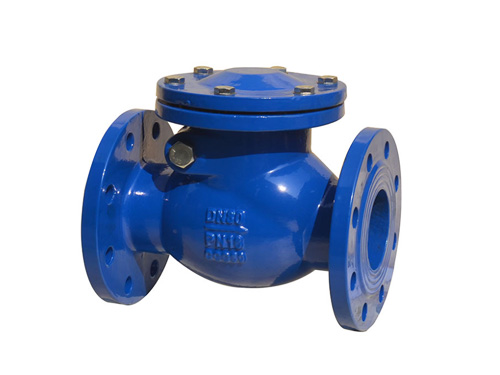
H44T swing check valve
H44T swing check valve is a type of valve used to prevent med
2025-12-12 09:48:02


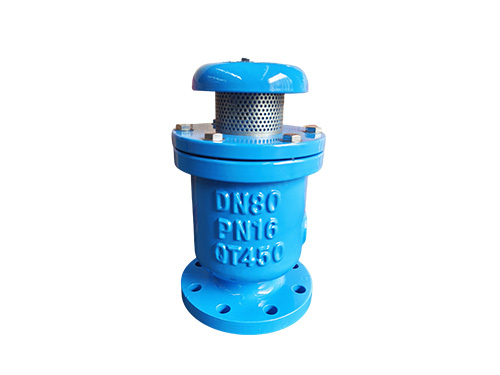
High speed exhaust valve is a valve used in pipeline systems, mainly for removing air or gas from pipelines, and can automatically exhaust during the flow of media. It usually includes two functional parts: one is a speed suitable exhaust valve, which is used to remove large bubbles or air masses in the pipeline at a suitable speed; The other is a microbubble eliminator, used to eliminate tiny bubbles in the medium and confirm the stable flow of the medium.
Structure and characteristics
The structure of high-speed exhaust valves is generally complex, consisting of a suitable speed exhaust valve and a micro exhaust valve, which can meet the needs of removing bubbles of different sizes. It is usually installed at the high point of the pipeline system, and can be manually or automatically operated to remove air or gas from the pipeline at a suitable speed, and can continuously exhaust during the flow of the medium.
Product advantages
Multi sided exhaust: The high-speed exhaust valve can simultaneously meet the requirements of suitable exhaust speed and microbubble removal, confirming the stable operation of the medium in the pipeline.
Automatic exhaust: During the flow of the medium, the composite high-speed exhaust valve can automatically eliminate small bubbles without manual intervention.
Stability: After careful design, it has high quality and stability, suitable for long-term stable operation.
Applicable Industries
Composite air valves are widely used in industries such as water supply systems, heating systems, air conditioning systems, and industrial piping systems. In these systems, the use of composite high-speed exhaust valves can effectively eliminate bubbles in the pipeline, confirm the stable flow of the medium, and improve the efficiency and stability of the system.
maintenance and upkeep
During use, the composite high-speed exhaust valve also needs regular inspection and maintenance, including cleaning the valve body, checking the seals, and removing blockages, to confirm the normal operation of its exhaust function.
Installation requirements:
Install at the high point or bend of the pipeline to confirm the exhaust effect.
Vertical installation, with the valve body facing upwards, avoiding tilting or inversion.
Front and rear gate valves need to be installed for easy maintenance and repair.
Maintenance and upkeep:
Regularly inspect the float and seals for wear and replace them in a timely manner.
Clean up impurities from the exhaust outlet to prevent blockage.
In winter, it is necessary to drain the accumulated water in the valve to prevent freezing and cracking.
The common causes of high-speed exhaust valve failures include the following:
1、 Wear of sliding components:
Due to the high operating frequency of high-speed exhaust valves, sliding components are prone to wear, resulting in poor sealing or jamming.
2、 Sediment blockage:
The high-speed exhaust valve will discharge exhaust gas, which may contain sediment and accumulate inside the valve after long-term use, causing the valve to fail to close properly.
3、 Aging or damage of sealing ring:
The sealing ring is a key component that protects the sealing performance of high-speed exhaust valves. Long term use may cause aging or damage, leading to leakage.
4、 Loose valve components:
Due to the high operating frequency of high-speed exhaust valves, valve components may become loose or loose, leading to valve failure.
PRODUCT
Copyright © 2025-2026 http://www.xinhuifluid.com All Rights Reserved Hebei Xinhui Fluid Technology Co., Ltd.
Add:Wangtun Village, Siying Township, Botou City, Cangzhou City, Hebei Province
Url:http://www.xinhuifluid.com
Tel:+86-18230173208
Email:liu18230173208@gmail.com